
Optimizing Fleet Operations with Semi Trailer Leasing
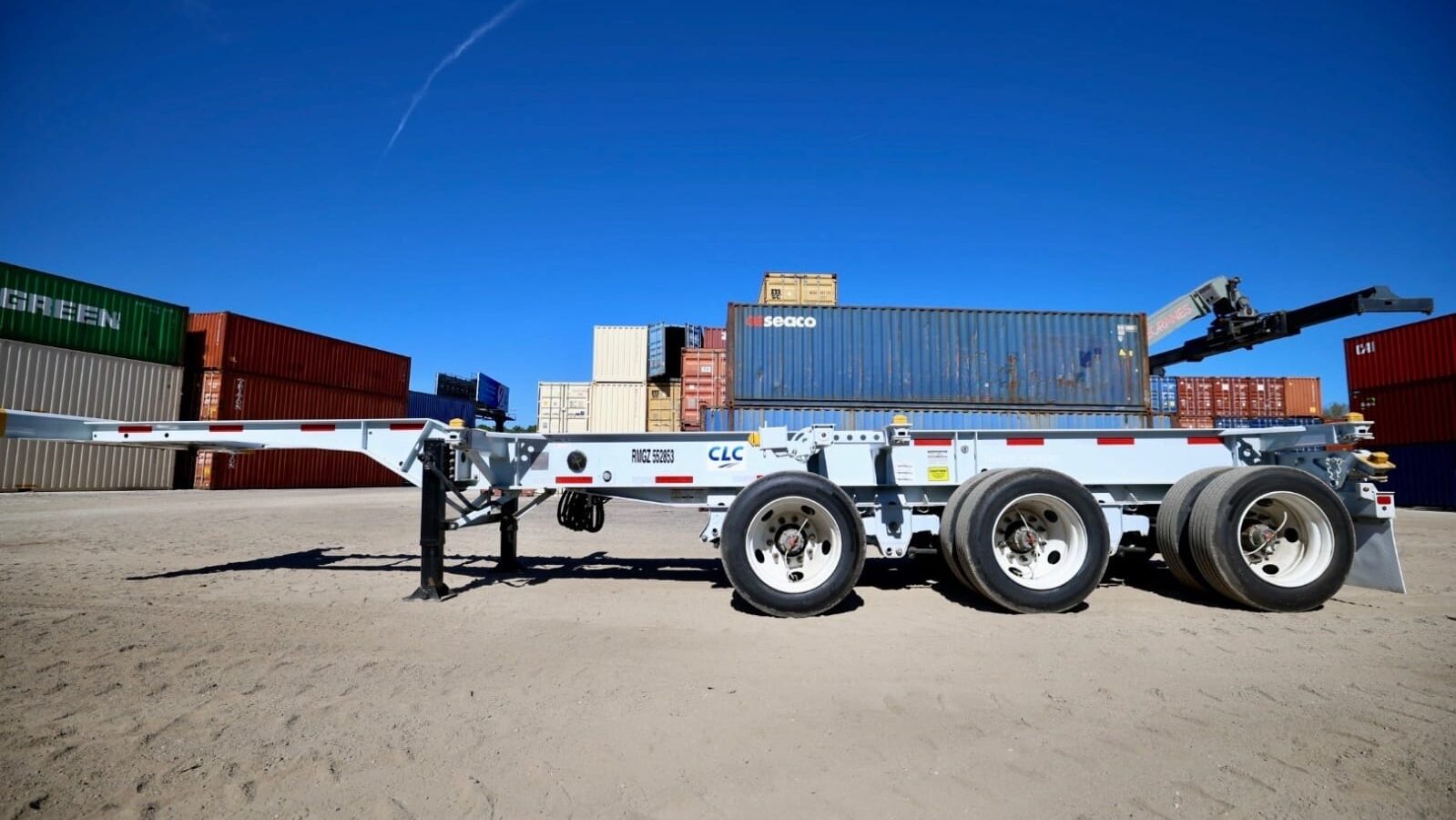
Efficient fleet management is crucial for logistics companies aiming to provide high-quality services while maximizing profitability. From ensuring trailers are available when needed to minimizing operational downtime and maintaining fleet efficiency, managing a fleet of semi trailers requires a strategic approach.
Semi trailer leasing is an ideal solution for logistics companies looking to streamline their operations, optimize fleet availability, and reduce overhead costs. In this article, we’ll explore how semi trailer leasing can help businesses enhance fleet management, improve operational efficiency, and drive greater control over their logistics operations.
1. Improved Fleet Availability and Flexibility
One of the biggest challenges for logistics companies is maintaining the right number of trailers in service at all times. For businesses that own their trailers, ensuring fleet availability during peak demand periods can be difficult, as they are often limited by the number of trailers they own or the availability of additional capital to purchase new equipment. Semi trailer leasing provides a solution by allowing businesses to adjust their fleet size in real-time.
During periods of high demand or peak seasons, companies can lease additional trailers to ensure they can meet customer requirements. Conversely, during slower periods, businesses can reduce their fleet size without incurring the costs associated with owning excess equipment. This flexibility helps businesses maintain an optimal fleet size at all times, ensuring that trailers are available when needed, while minimizing the costs of underutilized assets.
2. Predictable Costs for Enhanced Budgeting
Operating a fleet comes with many variable costs, including maintenance, insurance, and repairs. For businesses that own their trailers, these costs can be unpredictable and difficult to manage. For example, an unexpected breakdown or repair can cause significant disruption and unplanned expenses. Leasing semi trailers, on the other hand, offers predictable costs that make budgeting easier.
With leasing agreements, businesses pay a fixed monthly fee that includes many essential services, such as maintenance, insurance, and regular inspections. This consistent cost structure helps companies better forecast expenses, avoid financial surprises, and allocate their resources more efficiently. Knowing exactly what their fleet costs will be each month allows businesses to focus on growing their operations, rather than dealing with fluctuating fleet-related expenses.
3. Access to Modern, Efficient Equipment
Another advantage of leasing semi trailers is the access to modern, well-maintained equipment. Over time, owned trailers can become outdated, requiring more frequent repairs and increasing fuel costs due to inefficiency. By leasing, businesses can ensure that their fleet remains up-to-date with the latest technologies, fuel-efficient features, and safety improvements. Newer trailers typically offer enhanced fuel efficiency, lower emissions, and improved safety features, all of which can help companies reduce operational costs and improve performance.
Leasing providers often offer trailers with the latest industry standards, ensuring businesses have access to reliable and efficient equipment that supports their long-term goals. This access to modern equipment is a key driver of operational efficiency and allows companies to remain competitive in the fast-paced logistics market.
4. Reduced Administrative Burden
Fleet management involves much more than just acquiring trailers—it also requires dealing with maintenance schedules, tracking usage, managing compliance with industry regulations, and ensuring all documentation is in order. For businesses that own their trailers, this can become a complex and time-consuming task. Leasing semi trailers can significantly reduce this administrative burden. Leasing providers often offer fleet management services that include tracking systems, regular maintenance, and compliance management.
With these services, businesses can outsource much of the operational complexity associated with fleet management, allowing them to focus on other core aspects of their operations. Additionally, leasing providers can help companies stay on top of regulatory changes, ensuring that trailers are compliant with local, state, and federal requirements without requiring the business to dedicate resources to constant monitoring.
5. No Worries About Resale or Depreciation
When a company owns its trailers, it must also deal with depreciation over time. As trailers age, their resale value decreases, and maintenance costs typically increase. This creates financial uncertainty, as businesses may struggle to recover the full value of their trailers when it’s time to sell or replace them. Leasing, however, eliminates the concerns surrounding depreciation and resale value.
Since businesses do not own the trailers, they do not have to worry about how much they can sell them for in the future. Once the lease term ends, they can simply return the trailers and lease newer, more efficient models. This allows businesses to avoid financial losses related to depreciation and ensures they always have access to high-performing, up-to-date trailers. Leasing helps companies maintain a reliable fleet without worrying about the long-term financial implications of ownership.
6. Scaling Fleet Size to Meet Changing Demand
The logistics industry is dynamic, with demand for services fluctuating depending on the season, market conditions, and client needs. For businesses that own their semi trailers, scaling the fleet to meet changing demand can be challenging, as it involves purchasing new trailers or maintaining underutilized equipment during slower periods. Leasing offers the flexibility to scale the fleet up or down quickly and easily based on current demand.
During peak seasons, companies can lease additional trailers to meet higher volumes of shipments, and when demand slows, they can reduce the number of leased trailers without the financial strain of ownership. This scalability allows businesses to respond quickly to market conditions, ensuring they only pay for the trailers they need, when they need them, while avoiding the cost of maintaining a fleet that exceeds their current needs.
7. Enhanced Maintenance and Support
Maintaining a fleet of semi trailers requires regular upkeep to ensure that trailers are safe and in good working condition. For businesses that own their trailers, this means managing maintenance schedules, performing inspections, and arranging repairs when necessary. These tasks can be time-consuming and costly, particularly when trailers are older or require frequent repairs. Leasing providers, however, often include maintenance and support as part of their service packages.
This means businesses can rely on the leasing company to manage the upkeep of their trailers, ensuring that trailers are regularly serviced, inspected, and repaired when necessary. Leasing providers typically offer 24/7 support in case of breakdowns, minimizing downtime and ensuring that trailers are quickly replaced if needed. This enhanced maintenance and support help companies keep their operations running smoothly and reduce the burden of managing fleet upkeep in-house.
8. A Reliable Partner for Long-Term Success
Leasing semi trailers is not just about acquiring equipment—it’s about forming a long-term partnership with a trusted provider who can help businesses optimize their fleet operations. A company like Contract Leasing Corporation, with decades of experience in the leasing industry, offers personalized leasing solutions that are tailored to each business’s specific needs. With flexible terms, maintenance packages, and expert support, businesses can trust their leasing partner to help them navigate the complexities of fleet management.
By building a reliable relationship with an experienced provider, businesses can streamline their operations, reduce costs, and improve overall efficiency. About Us to learn how Contract Leasing Corporation can help optimize your fleet operations through flexible, efficient, and cost-effective semi trailer leasing solutions.
Conclusion: Streamlining Operations with Semi Trailer Leasing
In conclusion, semi trailer leasing provides logistics companies with an excellent opportunity to streamline their fleet operations, improve flexibility, and reduce operational overhead. By leasing semi trailers, businesses can ensure optimal fleet availability, avoid the challenges of depreciation, reduce maintenance and repair costs, and access modern, efficient equipment.
Leasing also offers scalability, allowing businesses to adjust their fleet size based on demand while avoiding the administrative burden associated with fleet ownership. With a trusted leasing partner like Contract Leasing Corporation, businesses can optimize their operations and focus on what they do best: providing exceptional logistics services to their clients. Semi trailer leasing is not just a smart financial choice—it’s a strategic move that can drive long-term success and operational efficiency in the logistics industry.